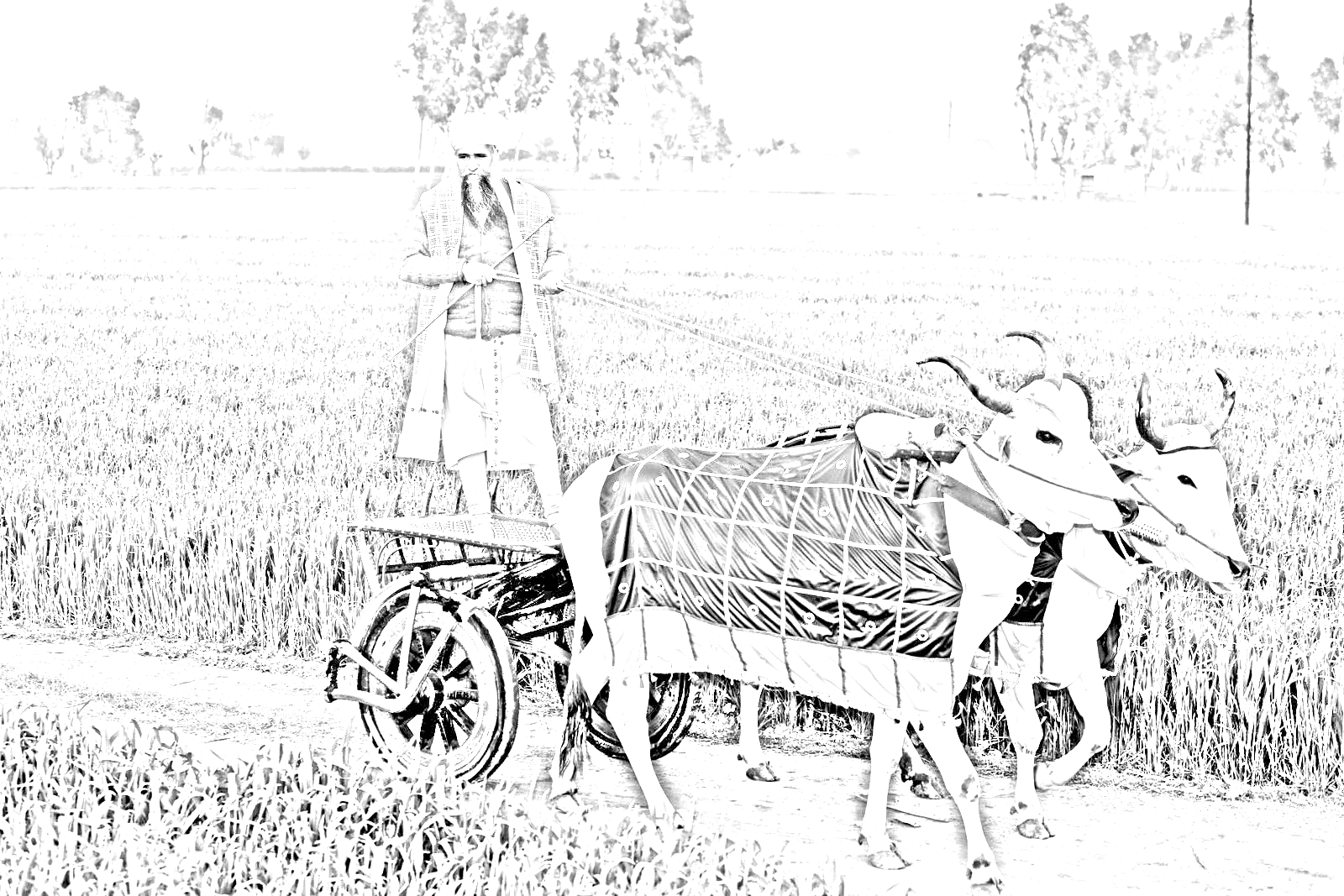
Punjab, Northern India
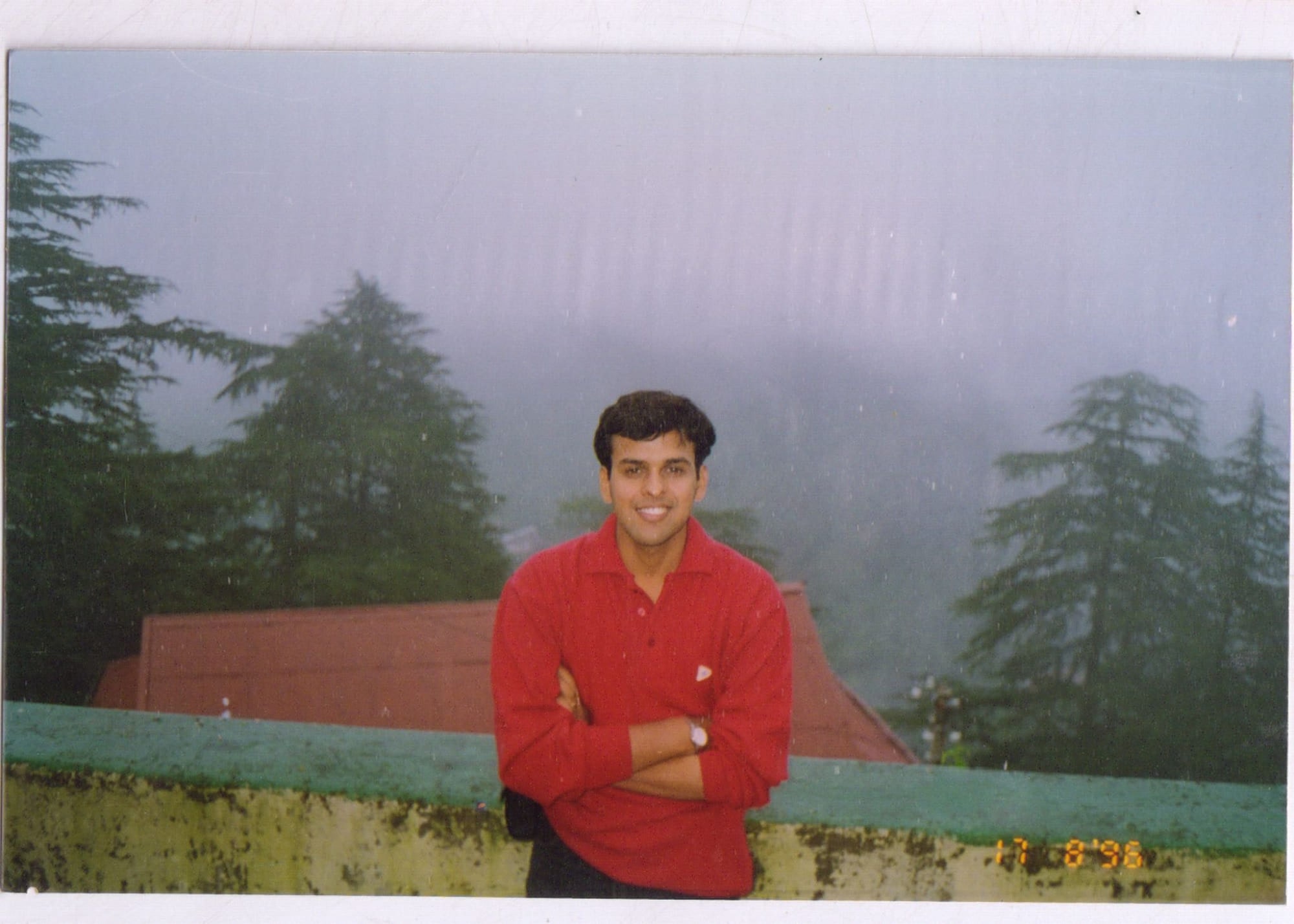
Early 1980s. I was ten or eleven. The summer heat was brutal, no air conditioning, just a noisy ceiling fan pushing hot air around the room. I sat on the floor with a book while the other kids were outside playing cricket.
They wanted to talk about games. I wanted to know why people got angry. Why adults behaved the way they did. Why we prayed the way we did. Why the stars were there.
I asked questions constantly. And somewhere along the way I learned:
Questions made more sense to me than people did.
So I disappeared into books. At school, something else happened. I got good grades. Teachers noticed me. Classmates wanted my notes. Being intelligent gave me something I had badly wanted.
A place to belong.

Then, At Fifteen, I Got Very Sick
I spent almost a month in hospital. By the time I came home, exams were about ten days away, and I had missed almost everything. I told one of my teachers it was too late.
Then start now.
So I did. Ten days later I wrote the exams, and I finished first in my class. And I learned a rule that would shape much of my life.
When things get hard, push harder.
- Figure it out.
- Keep moving.
- Do it yourself if necessary.
That belief became one of my greatest strengths. It would also take me years to understand its cost.
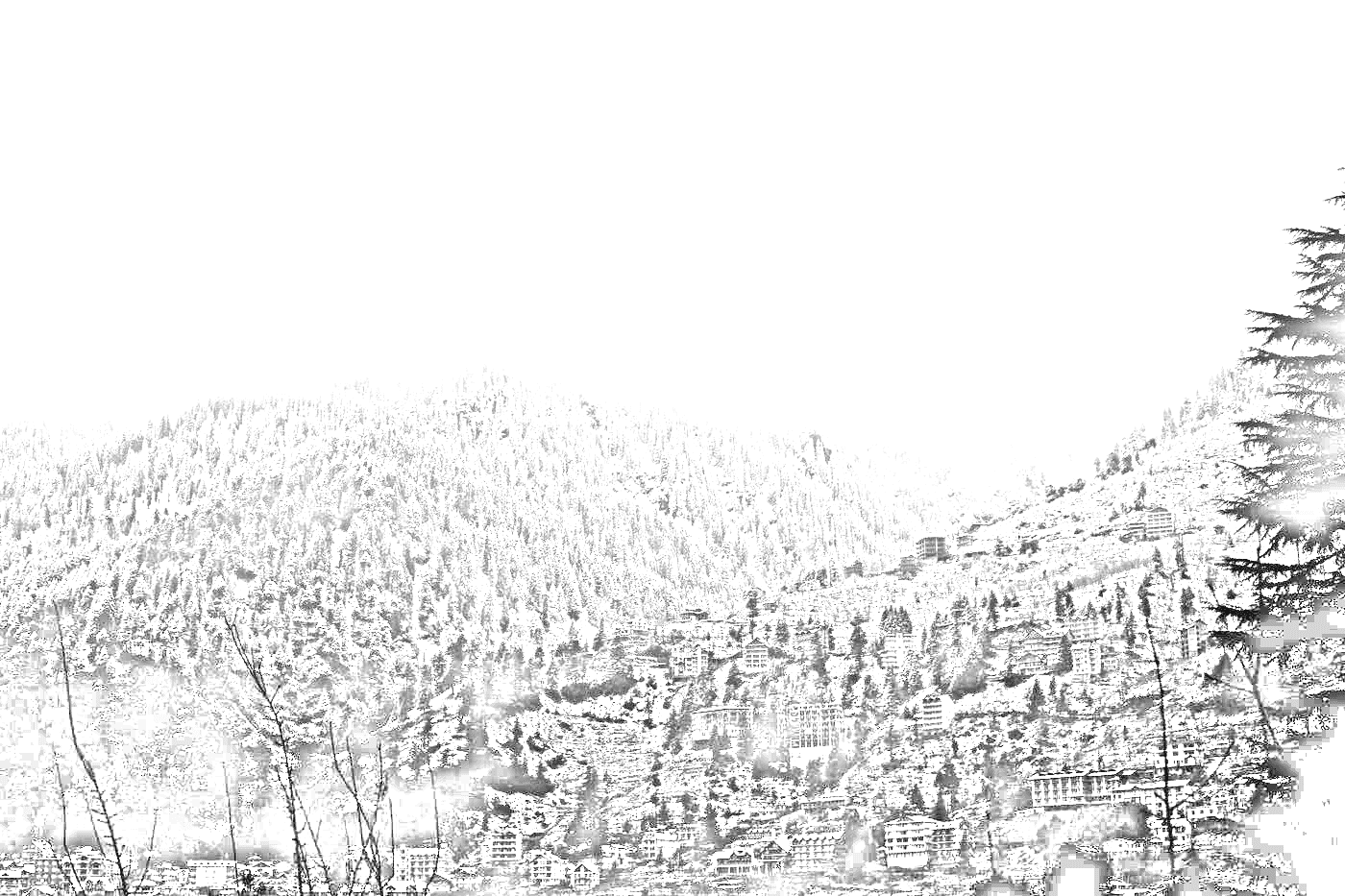
Life Moved Fast After That
I left India and moved to Canada. Built a career in technology. Built companies. Worked on difficult problems, and went deeper into data, machine learning and AI. My work contributed to four U.S. patents.
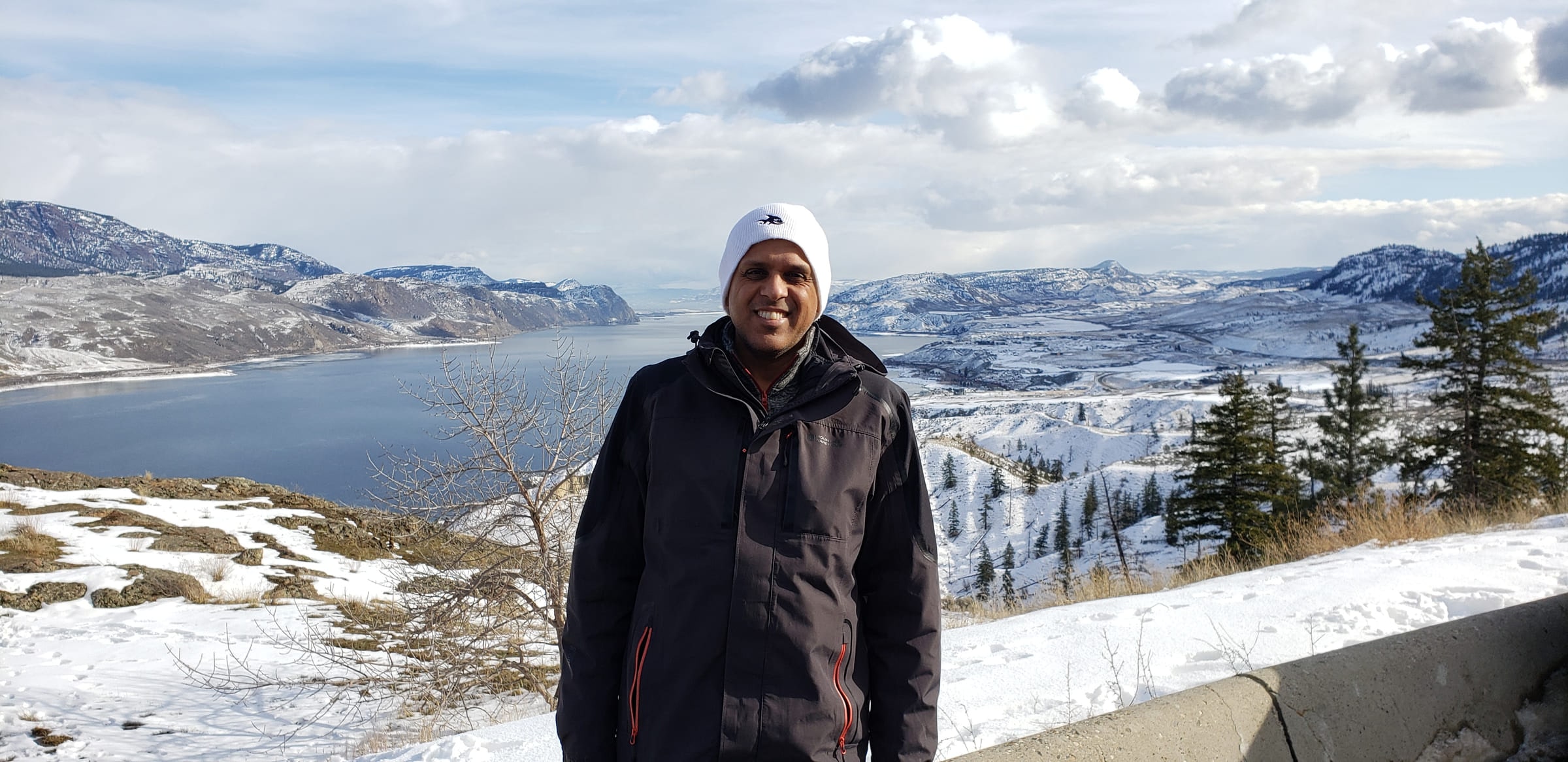
People came to me when they needed someone to figure something out. And that old rule kept working.
- Think harder.
- Work harder.
- Solve the problem.
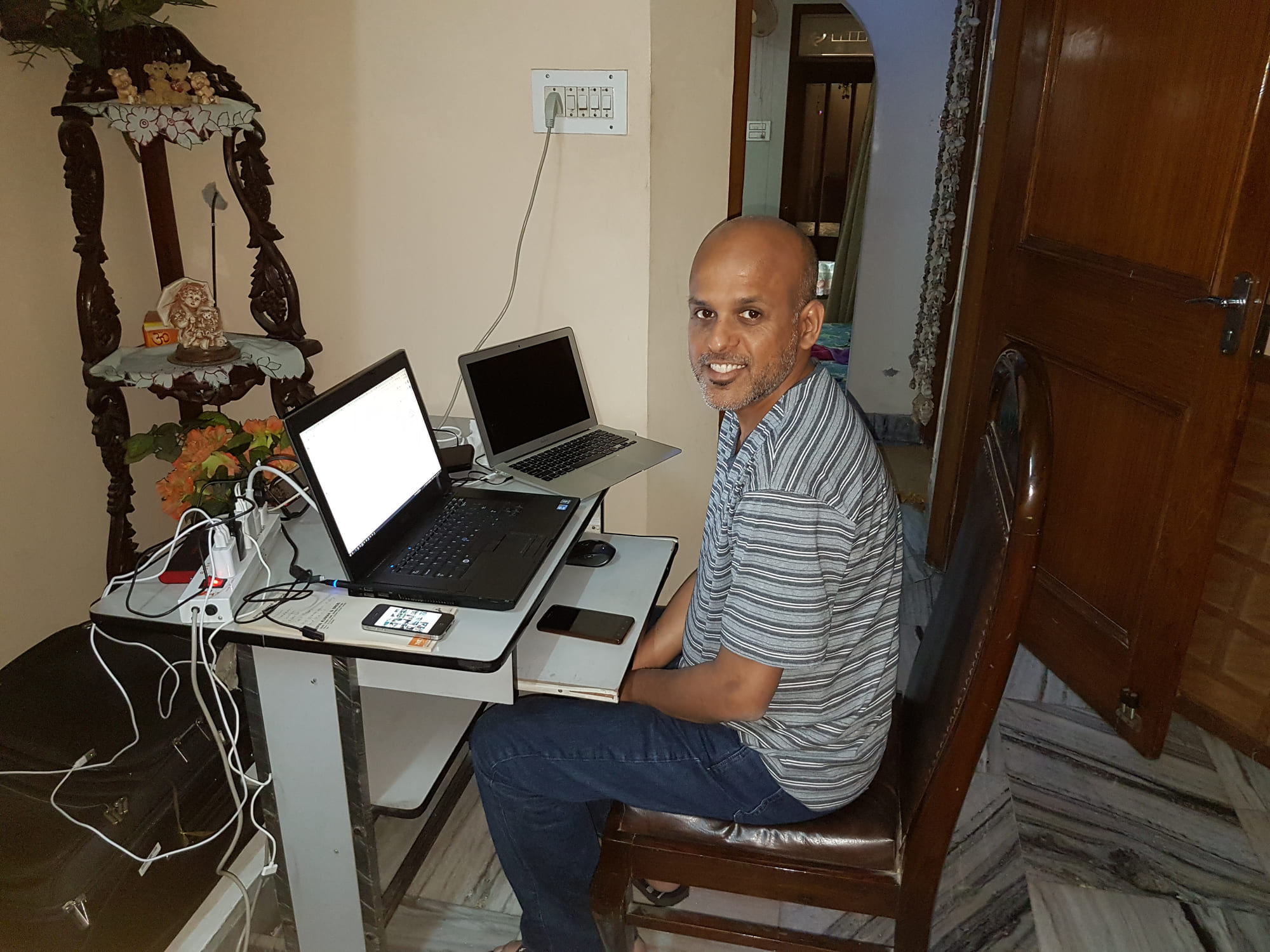
Except some problems refused to cooperate.
- Relationships.
- Belonging.
- My own reactions.
- What I actually wanted.
There were places in my life where more intelligence was not producing a better answer.
That eventually forced me to look somewhere else.
I Started Studying My Own Patterns
Meditation. Human behaviour. Relationships. The things I kept repeating. The things I said I wanted, and the things I actually did.
And because I had spent so much of my life working with technology, another question slowly appeared.
What if AI could understand enough context about one human life to become genuinely useful to that person?
Not simply answer another question. Actually understand the context around the question.
That question eventually became an experiment. First on myself. And then something much larger.